
Plan for 2026 holiday e-commerce returns with a clear policy, accurate product pages and a fast process that keeps customers informed and loyal.


Plan for 2026 holiday e-commerce returns with a clear policy, accurate product pages and a fast process that keeps customers informed and loyal.
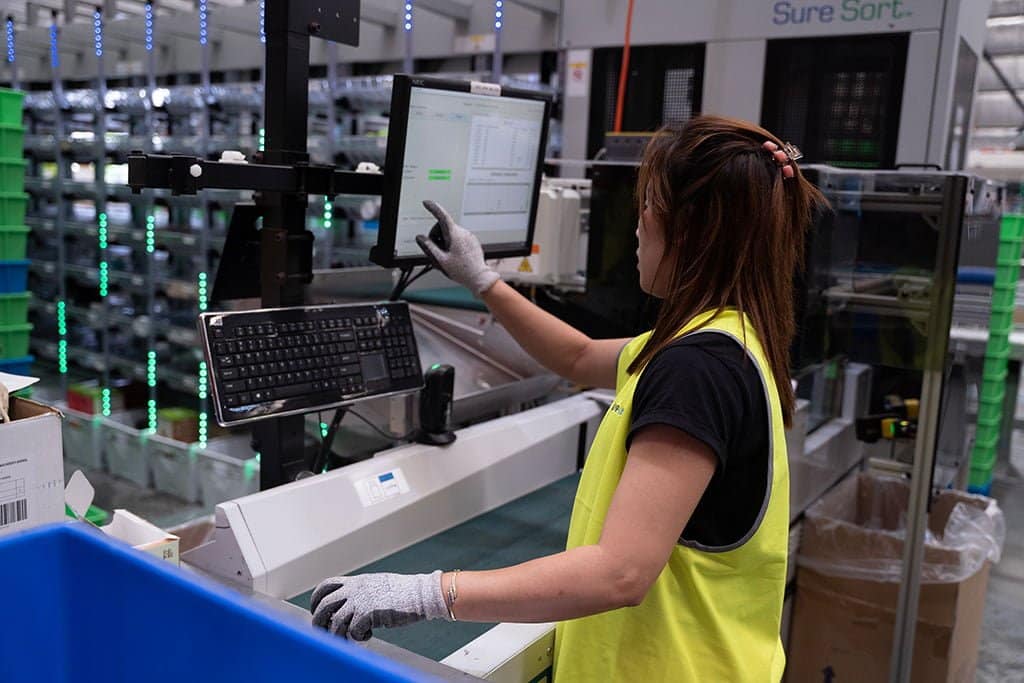
Returns are one of the most underestimated costs in Australian ecommerce. Most brands track return rate, the percentage of orders that come back, but few track the full cost: inbound freight, inspection labour, restocking or write-off, refund processing, and the customer service load attached to every return.
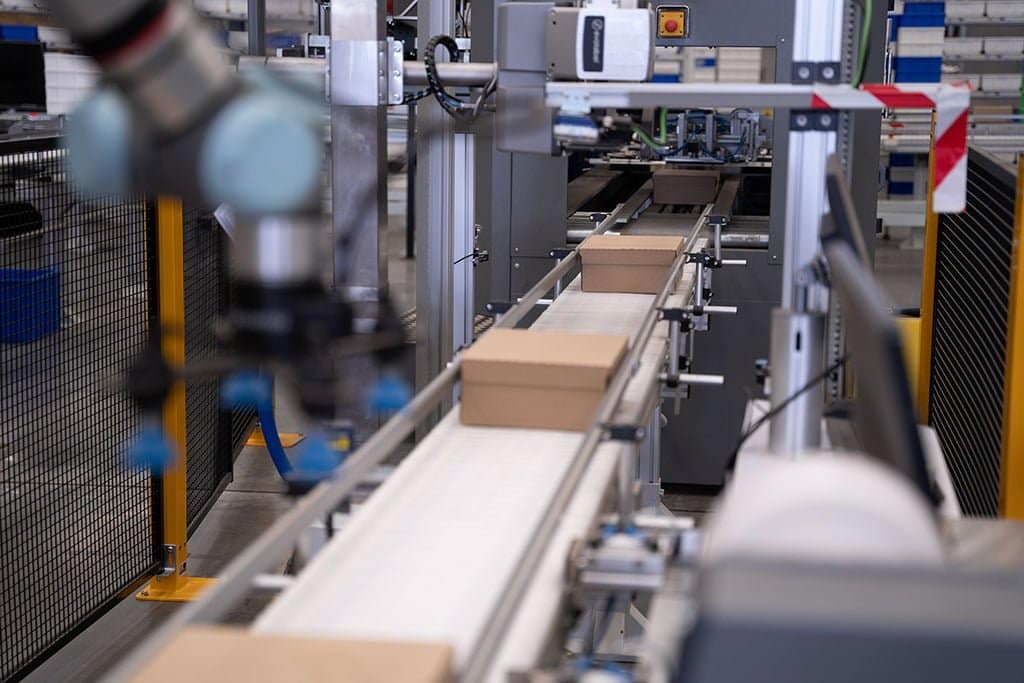
A warehouse management system is only as good as the data flowing in and out of it. The WMS itself (how it manages locations, picks, and stock counts) matters, but for most ecommerce brands, the WMS ecommerce integration layer is what makes or breaks the operation.

Shipping in Australia is expensive. Distance, fuel costs, and a carrier market dominated by a handful of major players make ecommerce freight one of the biggest line items in a brand’s P&L.
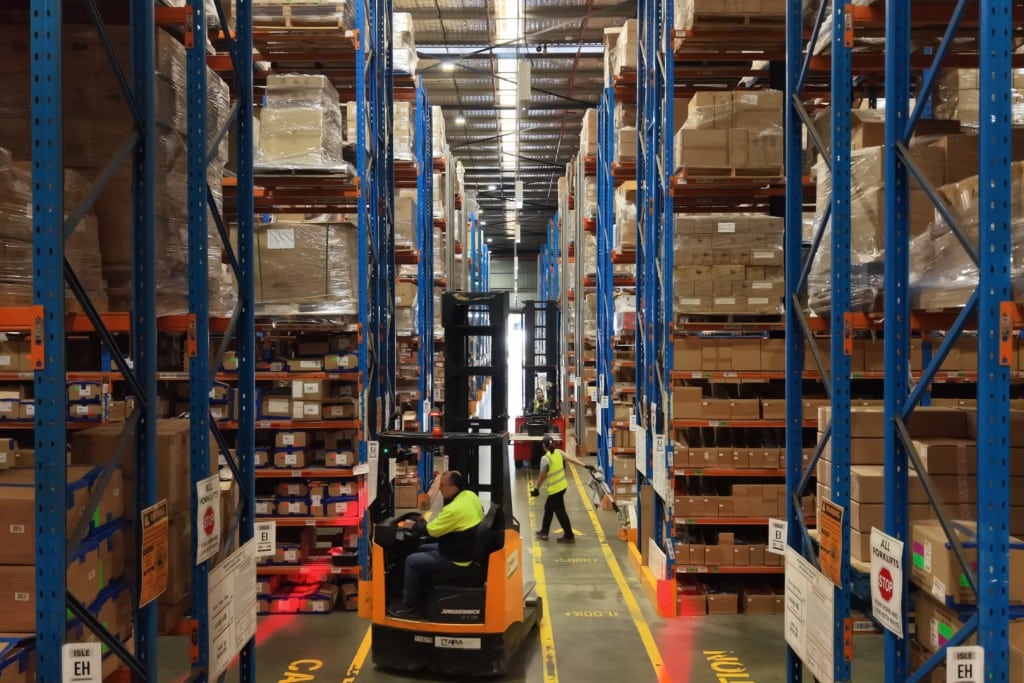
Australian ecommerce has a speed problem, and it’s not one you can solve by hoping your carrier shows up on time. With Amazon Prime reshaping customer expectations, brands that can’t promise same-day dispatch are losing carts to competitors who can.
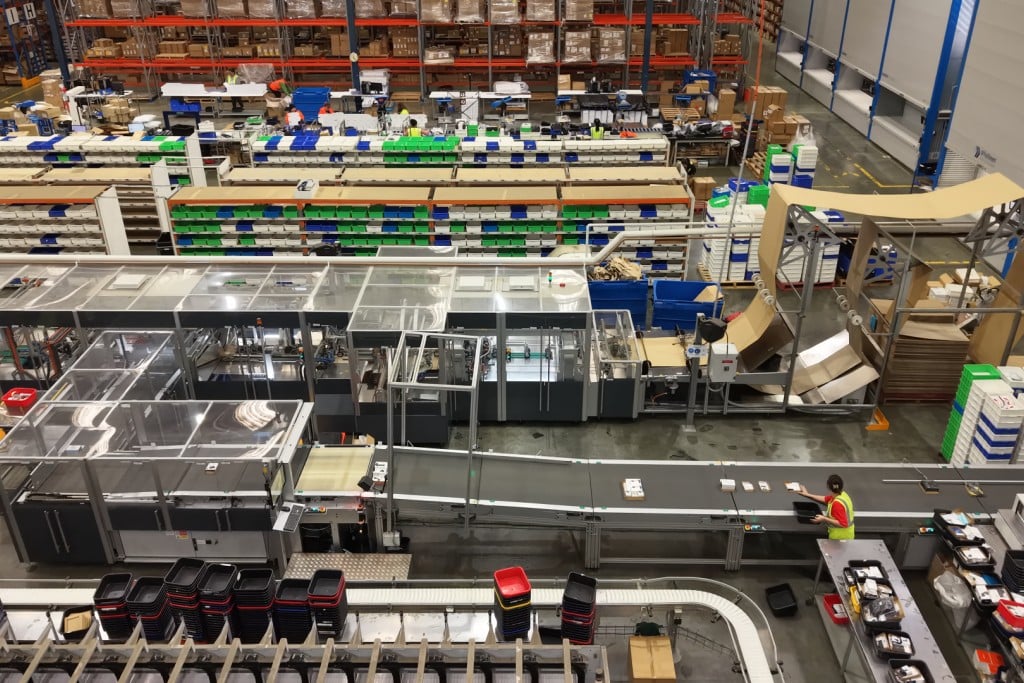
If you’re running an e-commerce store in Australia and shipping is eating into your margins (or your garage), and you’re looking for a step up

Running out of space to store stock? Spending more time packing orders than growing your business? With Australians spending $69 billion online in 2024 (a