

Australian eCommerce keeps speeding up. Customers want fast delivery, clean tracking, and zero mistakes. Margins are tight, so every scan, label, and hand-off matters. The easiest way to stay ahead is to work with a tech-driven 3PL warehouse that treats fulfilment like a product: measurable, predictable, and always improving. Below are the trends shaping the next few years and how to use them to your advantage.
What is 3PL, and Who’s Doing It in Australia?
Third-party logistics, or 3PL, means handing your storage, picking, packing, and shipping over to a specialist 3PL warehousing partner instead of running that side of the business yourself. You send stock in, it’s held and tracked on your behalf, and every order that comes through your store gets picked, packed and dispatched from their facility.
For a full breakdown of how the model works end-to-end, our guide on what 3PL fulfilment is covers the basics in more depth.
The Australian third-party logistics (3PL) market is concentrated around a small number of major freight hubs, and where a provider sits matters more than most brands realise. Sydney, anchored by Port Botany, remains the busiest hub for import volume and last-mile reach across NSW. Melbourne, built around the Port of Melbourne, plays a similar role for Victoria, Tasmania, and South Australia. Brisbane covers Queensland and the growing regional corridor north of the border, while Perth serves Western Australia’s more isolated market on its own freight timelines. Most national brands end up working with a provider in at least one of these corridors, and multi-site brands often use two or three to keep delivery times short nationwide.
Warehouse space in these hubs isn’t cheap, and it varies a lot by precinct. As a general guide, industrial warehouse rates across Australia’s major logistics corridors typically range from $80 to $140 per square metre per year, depending on location, access to major roads, and lease terms. That cost is part of why outsourcing to a 3PL often works out cheaper than leasing and fitting out a warehouse yourself, since the cost is shared across a provider’s full client base instead of being carried by you alone.
Understanding this landscape matters before you get into the trends below. The providers driving the biggest gains in speed and accuracy are the ones with real hub-based coverage and enough scale to invest in the systems the next section covers. These 3PL insights are written with that in mind: less theory, more of what’s actually changing in day-to-day ops for 3PL across Australia right now.
Why Fulfilment is Changing
Customer promises keep getting shorter, sales channels keep multiplying, and freight prices keep shifting. It is no longer enough for 3PL warehousing to be “pallets and racking.” Your operation needs live data, smart routing, and flexible capacity. The winners will be brands that turn fulfilment into a growth lever, not an afterthought.
Trend 1: Distributed Networks Close to Customers
Putting stock closer to buyers cuts transit times and support tickets. More providers are building node-based networks across Australia and New Zealand. The practical gains are simple: later cut-offs, cheaper last-mile, and better delivery estimates. If you ship nationwide, ask how your partner decides where to hold inventory and how fast they can rebalance between sites.
Trend 2: Automation That Fits the Work
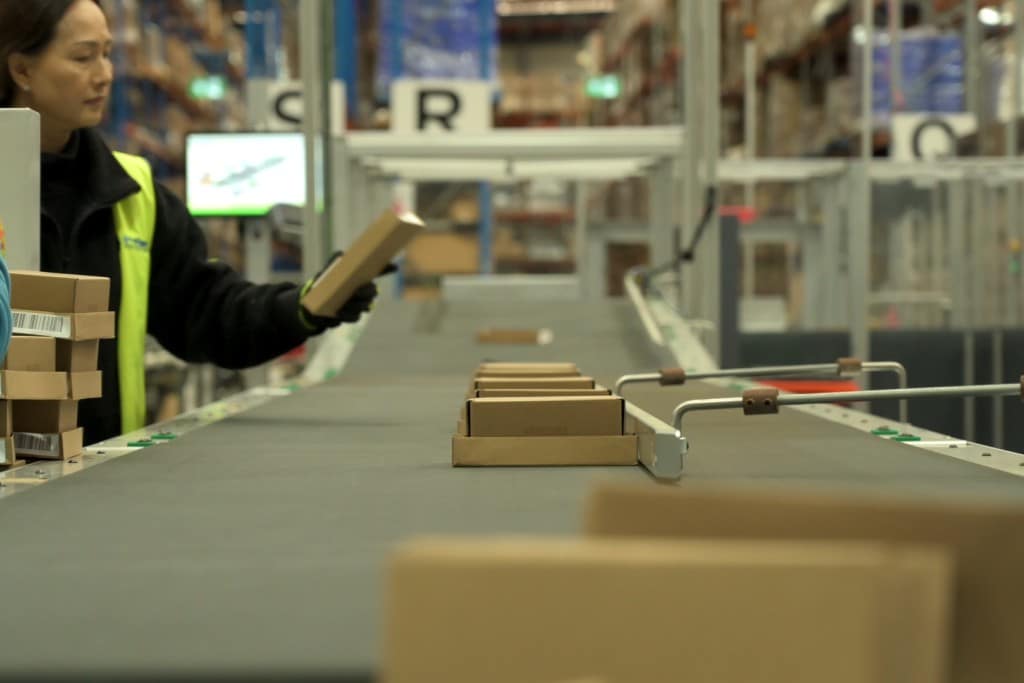
Robots are useful when they reduce walking and touching, not when they create new bottlenecks. Watch for pick-to-light, guided routing, put-to-wall sortation, and mobile robots that move totes. The common thread is scan-verified steps. Fewer touches and more scans lead to fewer errors and faster dispatch.
Trend 3: Real-Time Visibility and Control
Modern portals show orders, inventory, and returns in real time. Strong partners also expose APIs and webhooks so your store, ERP, and finance tools stay in sync. Look for low-stock alerts, ageing reports, and exception queues. This turns “where is my order” into “we fixed it before the customer asked.”
Trend 4: Carrier Choice and Smart Rate Shopping
Carrier performance varies by lane, weight, and season. Smart systems choose the best service for each parcel in the moment. You should see on-time delivery by carrier and region, not just cost. Late pick-ups and regional cut-offs matter, so confirm the rules that drive label selection.
Carrier rates are only one line on your invoice, and rate shopping alone won’t tell you the full cost of running your 3PL ops. Pricing is typically split across storage, pick-and-pack, and freight, so ask any provider for the full breakdown before you compare quotes.
NP Fulfilment’s 3PL cost follows that same structure: storage, pick-and-pack services and freight, with no onboarding fees or lock-in contracts, and most Australian e-commerce brands spend between $3,000 and $20,000 a month with us, depending on order volume. Whatever provider you choose, a clear, itemised rate card tells you more about the real cost of your 3PL ops than a single headline number ever will.
Trend 5: Value-Added Services at Scale
Kitting, gift wrapping, subscription builds, relabelling, and retail compliance are moving from “nice to have” to standard. The goal is to deliver a better experience without slowing the line. Ask how value-added steps are scanned and audited, and what error rate they run at during peak.
Trend 6: Returns as a Designed Flow
Returns are part of the experience, not a back room. The best operations triage quickly, capture photos and reasons, and disposition items for resale, refurbishment, or quarantine. Clean data shortens resolution times and reduces avoidable returns. It also feeds merchandising decisions.
Trend 7: B2B and D2C on One Platform
Wholesale and retail flows are converging. Many brands now ship store replenishment and online orders from the same site. Your partner should support ASNs, SSCC labels, pallet builds, and booking windows alongside same-day D2C. This keeps stock honest and avoids split inventories.
Trend 8: Sustainability with Numbers
Right-sized packaging, recyclable materials, and lane selection that reduces distance all lower your footprint and cost. Some providers also offer carbon reporting by order or lane. If sustainability matters for your customers, ask for clear metrics you can share.
Trend 9: Security, Quality, and Compliance
As volumes grow, so does risk. You want disciplined SOPs, access controls, and audit trails. If you ship dated or regulated goods, make sure lot, batch, or serial tracking is supported, along with FIFO or FEFO. Clean compliance keeps you out of trouble and speeds up recalls if they ever occur.
Trend 10: Forecasting That Helps You Act
You do not need buzzwords. You need better purchase orders and fewer stockouts. Useful forecasting takes real sales, lead times, and promotions, then gives you simple reorder cues. The output should be a short list that your team can action, not another dashboard to babysit.

What This Means for Australian Brands
Shorten the Promise You Can Keep
- Use a site mix that brings stock closer to customers.
Reduce Touches, Increase Scans
- Every scan is a record; every unscanned step is a risk.
Expose Data to Teams That Need It
- Finance, CX, and ops should see the same numbers.
Design Returns, Do Not Tolerate Them
- Faster triage means faster refunds or resale.
Pilot Before You Roll Out
- Test on a small range, then scale what works.
How 3PL Warehousing Delivers These Trends in Practice
A capable partner brings the network, the systems, and the people. The flow looks like this:
- Orders In: Your store sends orders to the WMS in seconds.
- Wave And Route: The system groups picks by SLA and location.
- Scan-Verified Picking: Guided routes or lights reduce walking and errors.
- Pack To Spec: Inserts, packaging, and labels follow your rules.
- Dispatch: Rate shopping chooses the best carrier; labels print; manifests close.
- Tracking and Returns: Events push to customers; returns follow clear rules.
This is Australian 3PL logistics in plain terms: measured speed, clean data, and fewer surprises.

Is a 3PL Warehouse Better Than In-House?
It depends on scale and focus. In-house control can work for low volumes or highly specialised products. Once growth arrives, fixed costs and constant hiring become a drag. A strong 3PL warehouse turns much of that into pay-as-you-go activity, with SLAs and weekly KPIs to keep everyone honest.
Quick compare
- Cost: In-house is fixed; 3PL is mostly variable.
- Speed: In-house depends on rosters; 3PL is built for same-day.
- Accuracy: In-house relies on training; 3PL relies on scans.
- Focus: In-house pulls leaders into ops; 3PL gives time back to product and growth.
3PL Costs in Australia: What to Expect
Two brands storing the same volume of stock can still end up with very different monthly bills, and it usually comes down to order complexity and product size rather than the total unit count. A single-SKU order that ships one item costs less to pick and pack than a multi-item order bundling five different products together, even when the overall volume is identical. Bulky or oddly shaped stock also eats up more pallet space per unit than something that stacks cleanly, which pushes the storage side of your bill up regardless of the rate you were quoted.
Where a pricing model really shows its value in an Australian third-party logistics (3PL) market is at the smaller end. NP Fulfilment has no minimum order requirement, and we take on startups based on planned volume rather than requiring an established sales history first. That means a brand shipping ten orders a week isn’t paying for capacity built around a much bigger operation, and smaller sellers can typically be live and shipping within two to three days.
As volume grows, that same flexible structure keeps working in your favour. Cost scales with what you’re actually shipping, month to month, instead of locking you into a fixed rate sized for your busiest season. That’s the practical difference between a 3PL and a warehouse lease: one moves with your order volume, the other charges the same whether you ship ten orders or ten thousand.
A Simple 30-Day Plan to Pilot a New Partner
Use this roadmap to align teams, prove the numbers, and go live without surprises.
Kickoff
Confirm SKUs, packaging, cut-offs, service levels, and exception paths. Share product data, carton sizes, inserts, fragile or DG notes, and nominate owners on both sides with a simple communication cadence.
Integrations
Connect your store, marketplaces, ERP, and finance tools. Run sandbox orders end to end to verify taxes, discounts, bundles, and tracking events, then set roles and permissions and walk your team through the portal.
Inbound
Book initial deliveries and send ASNs. Validate barcode formats and label placement, set put-away logic such as FIFO or FEFO, agree quarantine rules for variances, and capture a baseline cycle count for accuracy.
Pilot
Launch a small SKU range or one channel. Measure pick accuracy, packing rule compliance, label creation time, adherence to same-day cut-offs, and ticket volume, then tune routing, packaging, and data mapping.
Scale
Roll out once pilot metrics are stable. Meet weekly to review KPIs such as dock-to-stock time, order cycle time, on-time despatch, order and inventory accuracy, returns turnaround, cost per order, and maintain a short optimisation backlog.
Where to Start with Your Current Operation
Small, steady fixes beat big, vague projects.
- List the top five failure points from last quarter.
- Pick one change that would remove the most pain.
- Pilot those changes with a small SKU set.
- Keep what works, drop what does not, and move to the next item.
Put the Trends to Work with NP Fulfilment
NP Fulfilment combines network reach with disciplined processes and live visibility. You get same-day capability, scan-verified accuracy, multi-carrier optimisation, and a client portal that shows orders, stock, and returns in real time. Start with a low-risk pilot, model your costs, and scale only when the numbers prove it. Book a walkthrough or request a custom quote and ship first orders in days.