
Your e-commerce store is growing. Orders are stacking up, your spare room or small warehouse is bursting at the seams, and you’re spending more time taping boxes than building your brand. If you’re at this tipping point, learning how to choose a 3PL provider is one of the most important decisions you’ll make for your business.
The right 3PL partner can slash your shipping times, cut fulfilment costs, and free you up to focus on marketing, product development, and customer experience. The wrong one? Late deliveries, inventory errors, and frustrated customers who won’t come back.
Australia’s 3PL market is booming. It was valued at over USD $16 billion in 2024 and is growing at roughly 5% per year, driven largely by the e-commerce boom. With Australians spending $69 billion online in 2024 alone, the pressure on fulfilment has never been higher.
So how do you sort the genuinely good providers from the ones that’ll cost you customers? We’ve built this 15-point checklist to help you evaluate every angle, from warehouse locations and tech integrations to exit terms and data portability.
Quick Answer: What to Look for in a 3PL Provider
- Warehouse location matters most for speed. Choose a provider with fulfilment centres close to where your customers are, not just where the provider is based.
- Technology compatibility is non-negotiable. Your 3PL’s warehouse management system (WMS) needs to integrate directly with your ecommerce platform – Shopify, WooCommerce, Magento, or otherwise.
- Transparent pricing prevents budget blowouts. Ask for a full rate card upfront, including storage, pick and pack, shipping, and any surcharges for peak periods.
- Scalability is essential for peak season. Your 3PL should handle Black Friday and Christmas spikes without missing a beat.
- Always check exit terms before signing. If the relationship doesn’t work out, you need to know how quickly you can get your stock and data back.
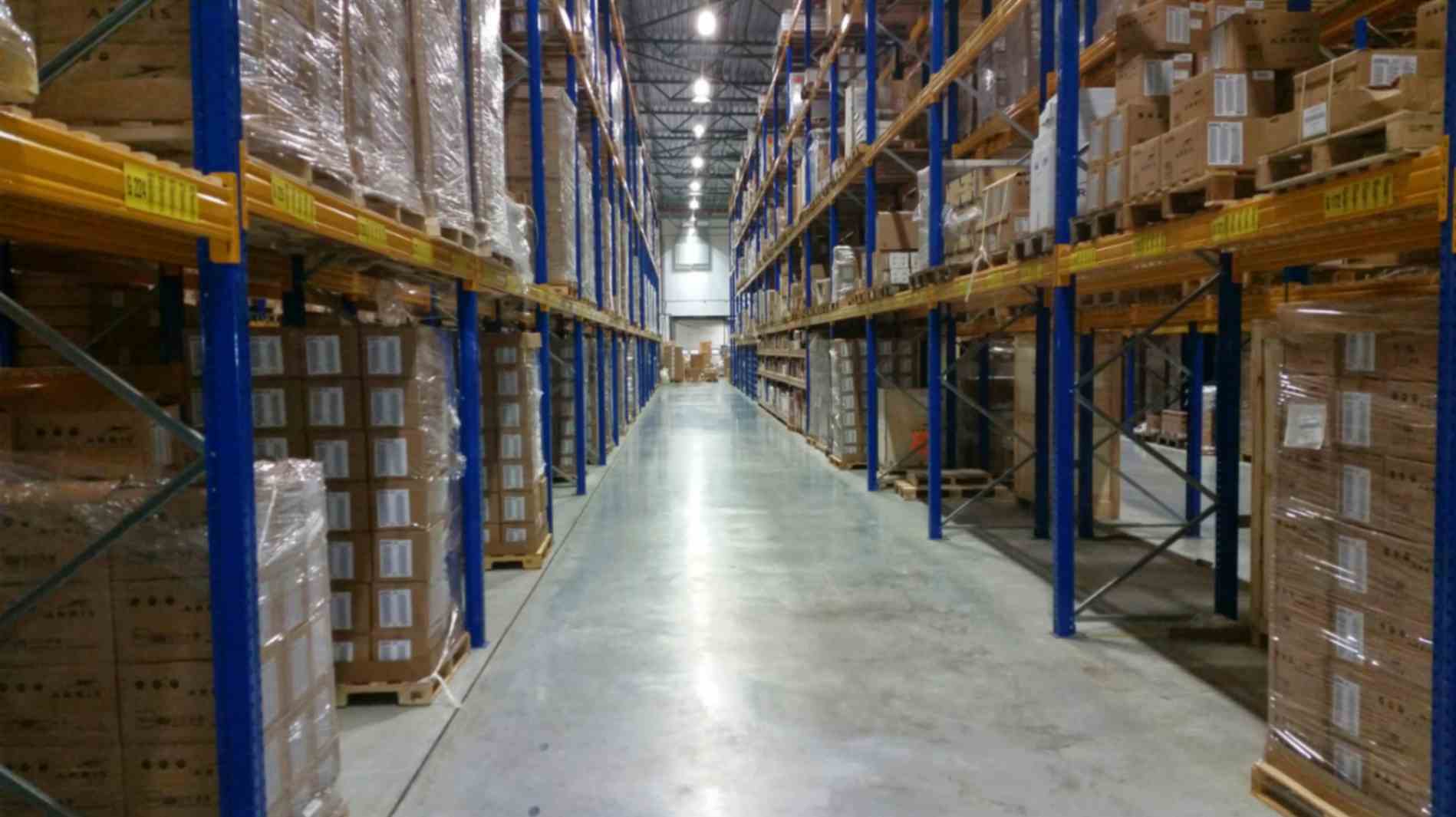
How to Choose a 3PL: The 15-Point Checklist
Whether you’re outsourcing fulfilment for the first time or switching from a provider that’s not delivering (literally), run every prospect through these 15 checks.
1. Warehouse Locations and Delivery Coverage
Warehouse location directly affects how fast your customers receive their orders – and how much you pay to get packages there. A fulfilment centre in western Sydney won’t help much if 60% of your orders ship to Melbourne or Brisbane.
Look for a provider with 3PL warehouses in Australia that align with your customer base. Ideally, they’ll have multiple sites across the ANZ region, so you can split stock and reduce average transit times. Ask specifically: what suburbs or regions can they reach within one to two business days using standard ground shipping?
2. Technology and Integrations
A 3PL’s tech stack is the backbone of your fulfilment operation. Their warehouse management system (WMS) needs to connect with your e-commerce platform (whether that’s Shopify, WooCommerce, BigCommerce, or a custom build) and ideally with your accounting software, like Xero or MYOB.
The integration should be automated. Orders placed on your store should flow straight to the warehouse without manual CSV uploads or copy-pasting. Ask how many pre-built integrations they offer and whether they support custom API connections for anything outside the standard stack. If their systems require constant manual workarounds, that’s a red flag.
3. Pricing Transparency and Contract Flexibility
Hidden fees are one of the most common complaints ecommerce brands have about 3PL providers. Before signing anything, get a detailed rate card that covers storage (per pallet or per cubic metre), pick-and-pack fees, postage and freight, receiving charges, and any minimum spend requirements.
Ask about peak season surcharges, long-term storage fees, and whether pricing is locked in or subject to change. Contract flexibility matters too. Look for month-to-month or short-term arrangements rather than rigid multi-year lock-ins, especially if you’re outsourcing for the first time.
4. Scalability for Peak Periods
Your 3PL needs to handle your worst day, not just your average day. If you run a 40% off sale on Black Friday and order volumes triple overnight, can the provider keep up? According to the Australia Post eCommerce Report (2025), 8 in 10 shoppers say the delivery experience directly contributes to their satisfaction with online shopping. A slow fulfilment partner during your busiest period can cause lasting damage to your brand.
Ask what their maximum daily throughput looks like, how they staff for peak periods, and whether they’ve handled seasonal spikes for brands similar to yours.
5. Inventory Accuracy and Real-Time Visibility
Selling products you don’t actually have in stock is a fast way to lose customers and cop negative reviews. Your 3PL should provide real-time inventory visibility through a client portal or dashboard – not a spreadsheet emailed once a week.
Ask about their inventory accuracy rate (anything below 99% should give you pause), whether they support serial number, batch, and expiry date tracking, and how quickly stock counts update after an order is picked. Real-time syncing back to your store helps prevent overselling and keeps your customers informed about what’s actually available.
6. Returns Handling Process
Returns are a reality of e-commerce, and how your 3PL handles them can make or break repeat purchase rates. Ask your prospective 3PL:
- Do they inspect returned items?
- Can they restock products that pass quality checks?
- How do they handle damaged or defective returns?
A strong reverse logistics process means faster refunds for your customers and less dead stock sitting in the warehouse.
7. Custom Packaging and Branding Options
Unboxing is part of your brand experience. If you’re investing in custom packaging, branded tissue paper, thank-you cards, or promotional inserts, your 3PL needs to execute that consistently.
Ask whether they support custom packaging materials, kitting, and branded inserts. Find out if there’s an additional fee for this (there usually is, and that’s fine – just make sure it’s transparent). For brands where presentation matters, this can be a dealbreaker.
8. Shipping Carrier Relationships and Rates
A good 3PL has established relationships with multiple carriers, such as Australia Post, StarTrack, Aramex, CouriersPlease, and DHL. These relationships typically mean better rates than you’d get on your own, because the 3PL is shipping at volume across many clients.
Ask how they select carriers for each shipment (is it automated based on weight, destination, and cost?) and whether you have any say in carrier preference. Some providers also offer rate-shopping technology that automatically picks the cheapest or fastest option per parcel. That’s a genuine cost saver.
9. Onboarding Process and Timeline
Switching to a 3PL (or switching between providers) can be disruptive if the onboarding process drags out. Ask how long it takes from signing to shipping your first order. Smaller operations can sometimes go live in a few days, while larger, more complex setups might take two to three weeks.
Find out what’s involved: do they handle the integration setup? Will you have a dedicated onboarding contact? What do they need from you (product data, SKU lists, packaging specifications) and in what format? A well-structured onboarding process is a good sign of how the provider operates overall.
10. Minimum Order Requirements
Some 3PL providers have minimum monthly order volumes or minimum spend thresholds. If you’re a smaller brand shipping 50-200 orders a month, you need to confirm the provider actually wants your business at that scale, and that you won’t be hit with penalty fees if you fall below their minimums.
On the flip side, if you’re shipping thousands of orders daily, make sure their infrastructure can handle it. The best 3PL providers in Australia are upfront about who they serve well and will tell you if you’re not the right fit.
11. Customer Support Responsiveness
When something goes wrong, you need a provider who picks up the phone. Ask how their support works: do you get a dedicated account manager or a generic ticketing system? What are their response time commitments? Can you reach someone outside standard business hours during peak season?
Before committing, test it. Send a few enquiry emails and see how quickly they respond. That pre-sale responsiveness is usually a reliable indicator of what post-sale support looks like.
12. Industry Experience and References
A provider who’s been handling e-commerce fulfilment for 10+ years will have seen more edge cases, peak season chaos, and integration quirks than one that launched last year. Experience with brands similar to yours – in product type, order volume, and customer expectations – is extremely valuable.
Ask for references or case studies from e-commerce brands in your niche. If a 3PL can’t provide a single reference from a current client, that’s a warning sign. When you speak with references, ask specifically about accuracy rates, turnaround times, and how issues are resolved.

13. Compliance and Certifications
Depending on what you sell, compliance can be critical. If your products include supplements, skincare, or therapeutic goods, your 3PL needs TGA (Therapeutic Goods Administration) compliance. Selling anything classified as dangerous goods? They’ll need proper storage, handling, and documentation too.
Beyond product-specific compliance, look for broader quality certifications. HACCP certification matters for food and consumables. ISO certifications signal a commitment to standardised processes.
14. Data Security and Reporting Capabilities
Your 3PL will handle sensitive data: customer names, addresses, phone numbers, and order histories. Ask how they protect that information. Are their systems hosted on secure, encrypted servers? Do they comply with Australian Privacy Principles under the Privacy Act 1988?
Beyond security, the reporting side matters for your business decisions. A strong 3PL should give you access to dashboards and reports covering order turnaround times, shipping costs by carrier, inventory levels, and picking accuracy. This data helps you spot problems early and make smarter decisions about stock allocation and carrier selection.
15. Exit Terms and Data Portability
These are questions nobody asks until it’s too late. If the relationship doesn’t work out, what does the exit look like? How much notice do you need to give? What fees apply for packing and shipping out your remaining stock? And can you export all your data (order history, inventory records, customer information) in a usable format?
A provider confident in their service won’t lock you in with punitive exit clauses. If the contract makes it unreasonably expensive or slow to leave, that tells you something about how they retain clients, and it’s not through quality of service.
Why Getting Your 3PL Choice Right Matters
Choosing a 3PL isn’t just a logistics decision; it’s a customer experience decision. Australian shoppers spent $69 billion online in 2024, a 12% year-on-year increase. Competition is fierce, and delivery speed and accuracy are what separate the brands shoppers return to from the ones they don’t.
Businesses can gain significant cost savings by partnering with a 3PL provider. But that saving only materialises if you pick the right partner. Rushing the decision, or choosing solely on price, is how brands end up switching providers within 12 months – and that transition costs time, money, and momentum.
If you’re working through this checklist and want to see how a provider stacks up in practice, NP Fulfilment offers a free 30-minute Fulfilment Growth Session to review your current setup, map out a roadmap to faster fulfilment, and highlight where you can cut costs and reduce errors.