
Black Friday and Cyber Monday make up the biggest revenue window of the Australian retail year. That makes a strong order fulfilment process more important than ever.
In 2025, Australia Post reported that Australians spent a record $1.5 billion over the Black Friday and Cyber Monday period, with parcel volumes up 23% year-on-year and more than 25 million parcels moving through the network in a single week. That’s the scale a Black Friday fulfilment plan needs to be built for.
This year, Black Friday falls on Friday 27 November 2026, with Cyber Monday following on Monday 30 November 2026. That might feel a long way off, but the brands that sail through BFCM are the ones who start their Black Friday fulfilment prep months out rather than in the final week. Shoppers are also starting earlier every year, spreading purchases across the whole of November rather than waiting for the weekend itself, which means your fulfilment operation needs to be ready well before the official dates land.
This checklist walks through exactly what to look at, in order, so nothing gets missed.
Your Quick Black Friday Fulfilment Checklist
A scannable version of everything below, worth saving or printing for your team:
- Pull last year’s peak data and build this year’s demand forecast
- Place stock orders early and add safety stock buffers on hero SKUs
- Confirm all inventory is landed and shelved, not in transit, before peak week
- Stress-test pick and pack capacity against 3–5x normal daily volume
- Confirm carrier collection windows and whether cut-offs shift during peak
- Publish clear dispatch cut-off dates and honest delivery timeframes at checkout
- Test real-time stock sync across every sales channel
- Load-test order flow, integrations, and your website/checkout at expected peak volume
- Set up a returns process and allocate warehouse capacity for the post-BFCM wave
- Brief customer service with scripts for common peak-period questions
- Draft delay/disruption comms templates in advance
- Confirm every team member’s role for peak trading days
Start With a Demand Forecast
Every other decision on this list follows from one number: how many orders are you actually expecting.
Pull together three things before you plan anything else:
- Last year’s peak data: Daily order volume, hourly spikes, and which SKUs sold out or came close
- Your current growth rate: If you’re tracking 20% up year-on-year in a normal month, that’s your baseline multiplier
- Planned promotions: A site-wide 30% off event will pull very differently to a handful of targeted flash sales
Put those together, and you get a realistic per-day and per-SKU forecast you can actually plan around. This number feeds your stock orders and staffing roster, and it shapes the capacity conversation with your fulfilment partner. It’s also what a good inventory management system uses to trigger reorder alerts and flag which SKUs are tracking ahead of plan while there’s still time to act.
Get the forecast wrong? Every downstream decision is wrong with it, so it’s worth spending real time here rather than rushing to the next item on the list.
Get Inventory In Early, and In the Right Place
Once you know roughly what you’ll sell, the next job is making sure it’s actually sitting on a shelf, not somewhere on the water or stuck at customs.
Supplier lead times blow out in the lead-up to peak, as every other brand places bigger orders at the same time you do. Placing stock orders early is the single easiest way to avoid a Black Friday stockout on your hero product.
A few things worth locking in during this stage:
- Order safety stock buffers on your best-selling SKUs, not just your average forecast number
- Get stock landed and put away in the warehouse well before cut-off, not scheduled to arrive during peak week itself
- Confirm your 3PL warehousing partner has the space and pallet capacity to receive it without delay
Stock that’s “in transit” during Black Friday week is stock you can’t sell. Get it landed and shelved with enough runway to spare.

Stress-Test Your Pick and Pack Capacity
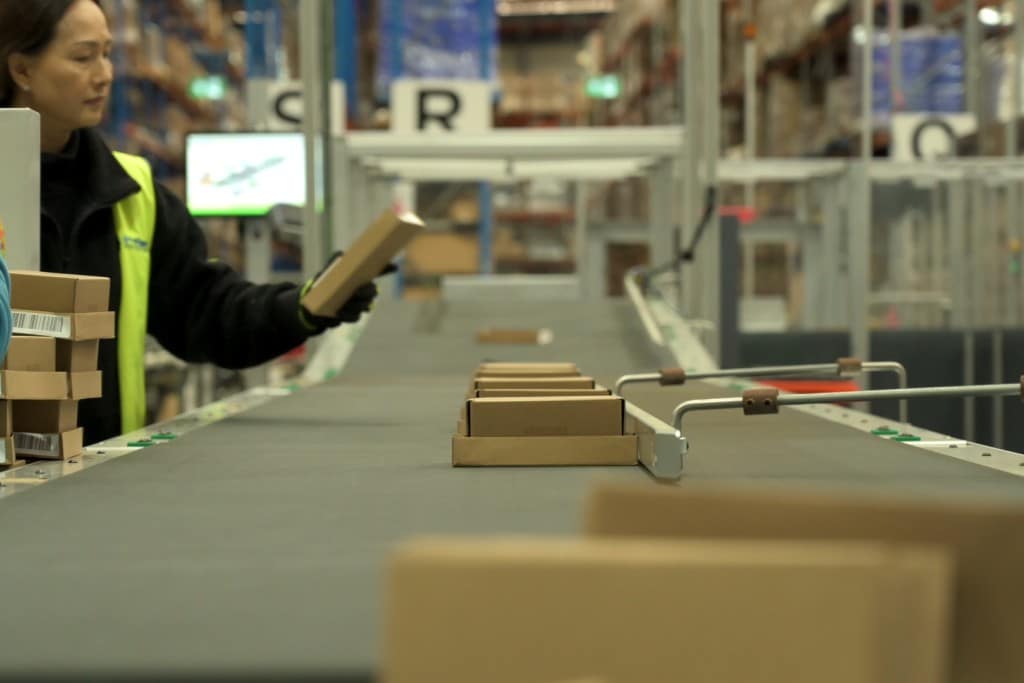
A forecast and a full warehouse don’t count for much if you can’t pick, pack and ship orders fast enough once the rush hits.
Ask the hard question early
Can your current setup handle three to five times your normal daily order volume without pick accuracy dropping off?
This is where a lot of in-house operations quietly start to crack. The stock is usually there, but there aren’t enough hands, or the pick workflow was never built for this kind of spike.
Accuracy actually matters more under pressure
A mispick during a normal week is a minor annoyance. A mispick during Black Friday, when your customer service team is already flat out, means a refund, a bad review and a support ticket that takes three times as long to sort because everyone’s stretched thin.
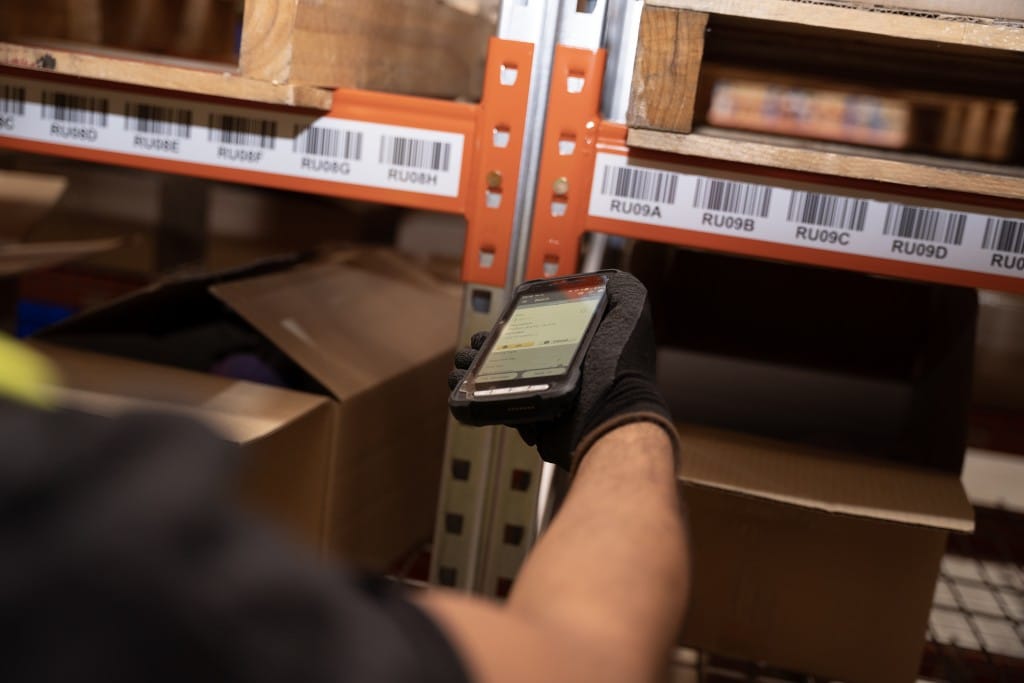
Scan-verified picking and a warehouse management system that flags exceptions in real time are what keep error rates steady when volume triples overnight.
Staffing
A fulfilment operation that runs comfortably on five pickers in a normal week needs more than “a few more people” for peak. It needs a structured roster that covers sick days and extends shift windows around the busiest order-cutoff periods, plus a clear process for onboarding temporary staff fast enough that they’re accurate on day one.
This is the part of Black Friday fulfilment planning that’s easiest to underestimate, because it stays out of sight until the day it suddenly breaks.
Lock In Carriers and Shipping Cut-Offs Early
Carrier capacity gets booked out well ahead of peak, and brands that leave this until November are negotiating from a weaker position.
Talk to your freight and postage systems partner now about:
- Confirmed collection windows during peak week, not “we’ll do our best”
- Whether your usual same-day dispatch cut-off holds through Black Friday and Cyber Monday, or needs to shift during peak periods
- Contingency carriers if your primary courier hits capacity limits
Once carrier capacity is locked in, publish clear dispatch cut-off dates on your site well ahead of the sale. Set honest delivery expectations at checkout rather than a generic “2–5 business days” that quietly becomes 10 once volume spikes. Customers who know exactly when their order will move are far more forgiving than customers left guessing.
Make Sure Your Tech Can Cope With the Surge
Fulfilment isn’t only a warehouse problem. If your systems can’t keep up, the best pick-and-pack team in the country won’t save your Black Friday fulfilment plan.
- Real-time stock sync across every sales channel is non-negotiable during peak. If your website, marketplace listings, and warehouse inventory aren’t talking to each other live, you’ll oversell a hero SKU within the first hour and spend the rest of the weekend issuing apologetic refund emails.
- Order flow needs to be tested at volume too, not just trusted to work because it works on a normal Tuesday. A platform integration that quietly drops orders at 200 an hour is worse than one that’s slow but reliable.
- It’s worth load-testing your website and checkout as well, not just the fulfilment side. A site that buckles under traffic on the day means orders never reach the warehouse in the first place, no matter how ready your pick and pack team is.
Run a traffic simulation if you can, well ahead of the sale, so any weak points in checkout or payment processing turn up in October rather than at 9 am on Black Friday.
Plan for the Returns Wave
Every peak sales period creates its own aftermath, and returns are the part of Black Friday fulfilment that’s easiest to forget until January, when it’s already a problem.
Higher sales volume means a higher absolute number of returns, even if your return rate itself doesn’t change. Gift purchases, impulse buys made under discount pressure and sizing issues in fashion and apparel all tend to push returns up further in the weeks after BFCM.
Have your returns management process ready before you need it:
- Clear, published return windows and conditions before the sale starts
- Warehouse capacity set aside for processing returns without slowing down outbound peak dispatch
- A plan for restocking, discounting, or writing off returned peak-sale stock
A returns process built in January, under pressure, always costs more than one planned in October.
Prepare Your Team and Your Comms
The operational side of Black Friday fulfilment gets most of the attention, but the human side is just as important.
Give your customer service team ready-made scripts for the questions that spike every peak:
- “Where’s my order”
- “Can I still get this before Christmas”
- “I ordered the wrong size”
Draft delay and disruption comms in advance too, so if a carrier does hit a snag, you’re sending a calm, clear update within the hour rather than scrambling to write one while the inbox fills up.
Internally, make sure everyone involved in fulfilment knows their role for peak days specifically, not just their regular job description. The teams that cope best on peak days are the ones who’ve rehearsed for the chaos beforehand.
When to Bring In a 3PL for Black Friday Fulfilment
If working through this checklist reveals gaps you can’t close in-house before November, that’s completely normal and doesn’t mean you’ve planned badly. It’s also exactly the situation a 3PL is built to solve.
An established ecommerce fulfilment partner has already solved the staffing, space, and carrier problems that come with a 3–5x volume spike, because they solve it for multiple brands every single peak season.
A 3PL gives you warehouse space that flexes with demand, teams that scale up for November and December, and carrier relationships built on real volume, so it absorbs the peak in a way a single warehouse with a small in-house team struggles to match.
NPFulfilment runs 3PL in Sydney and beyond, built specifically to hold accuracy and dispatch speed steady when order volume triples for Black Friday and Cyber Monday.
The Weeks Before Peak Are Where Black Friday Is Won
None of this checklist matters if it starts in the week of Black Friday itself. Every strategy here (the forecasting, stock positioning, carrier bookings, tech testing, returns planning) works because it happens with enough runway to fix what’s broken before customers ever notice.
If working through this list has raised questions about whether your current setup can handle this year’s peak, get in touch for a fulfilment quote and we’ll walk through exactly what your Black Friday and Cyber Monday fulfilment plan needs before the rush hits.