
Australia has roughly 138,000 active Shopify stores – and that number grew 32% year-on-year in 2024 alone. If you’re running one of those stores, you already know the pressure: customers expect fast, accurate delivery, and half of Gen Z and Millennial shoppers want their parcel within three days or less.
At some point, packing orders from your spare room or garage stops being viable. That’s where Shopify fulfilment in Australia through a third-party logistics (3PL) provider comes in – and getting the integration right is the difference between a streamlined operation and a logistical headache.
This guide covers exactly how a Shopify 3PL integration works in practice, what data flows between your store and the warehouse, what it costs, and how to pick a provider that actually suits an Australian ecommerce business.
Key Takeaways
- A Shopify 3PL integration connects your store to a fulfilment warehouse via API, automating order flow, inventory updates, and tracking notifications.
- Most pre-built integrations can be configured in as little as 15-30 minutes – no developer required.
- The core data exchange includes order import, tracking number push-back, and real-time stock-on-hand (SOH) sync.
- Look for an Australian-based 3PL with a direct Shopify integration, transparent pricing, and multi-carrier shipping options.
- Integration doesn’t replace your Shopify admin; it extends it so you can manage fulfilment without leaving your dashboard.
How Shopify Fulfilment in Australia Works
When you hear “integration,” it sounds technical. In practice, it’s straightforward. A Shopify fulfilment integration connects your online store to a 3PL warehouse through Shopify’s Fulfilment Orders API, allowing data to flow automatically between the two systems.
Here’s the typical process, step by step:
1. Connect Your Store
You provide your Shopify store name, URL, and API credentials to your 3PL provider. With a pre-built integration, this is often done through a dedicated app or a guided setup in your provider’s portal. Configuration can take as little as 15-30 minutes.
2. Orders Sync Automatically
The moment a customer completes checkout, the order details (products, quantities, shipping address, and any special instructions) are pulled from your Shopify store and sent to the fulfilment warehouse in real time.
3. The Warehouse Picks, Packs, and Ships
Your 3PL receives the order, picks the items from their shelves, packs them to your specifications (including any custom branding or inserts), and dispatches via the appropriate carrier.
4. Tracking Data Pushes Back to Shopify
Once the order ships, the tracking number and tracking URL are automatically pushed back into your Shopify admin. Shopify then triggers the shipping confirmation email to your customer – no manual input from you.
5. Inventory Updates in Real Time
Stock-on-hand (SOH) quantities sync back to your Shopify store, so your product listings always reflect what’s actually available in the warehouse. This prevents overselling and keeps your storefront accurate.
The entire cycle – from customer order to shipping notification – can happen without you touching a single button.
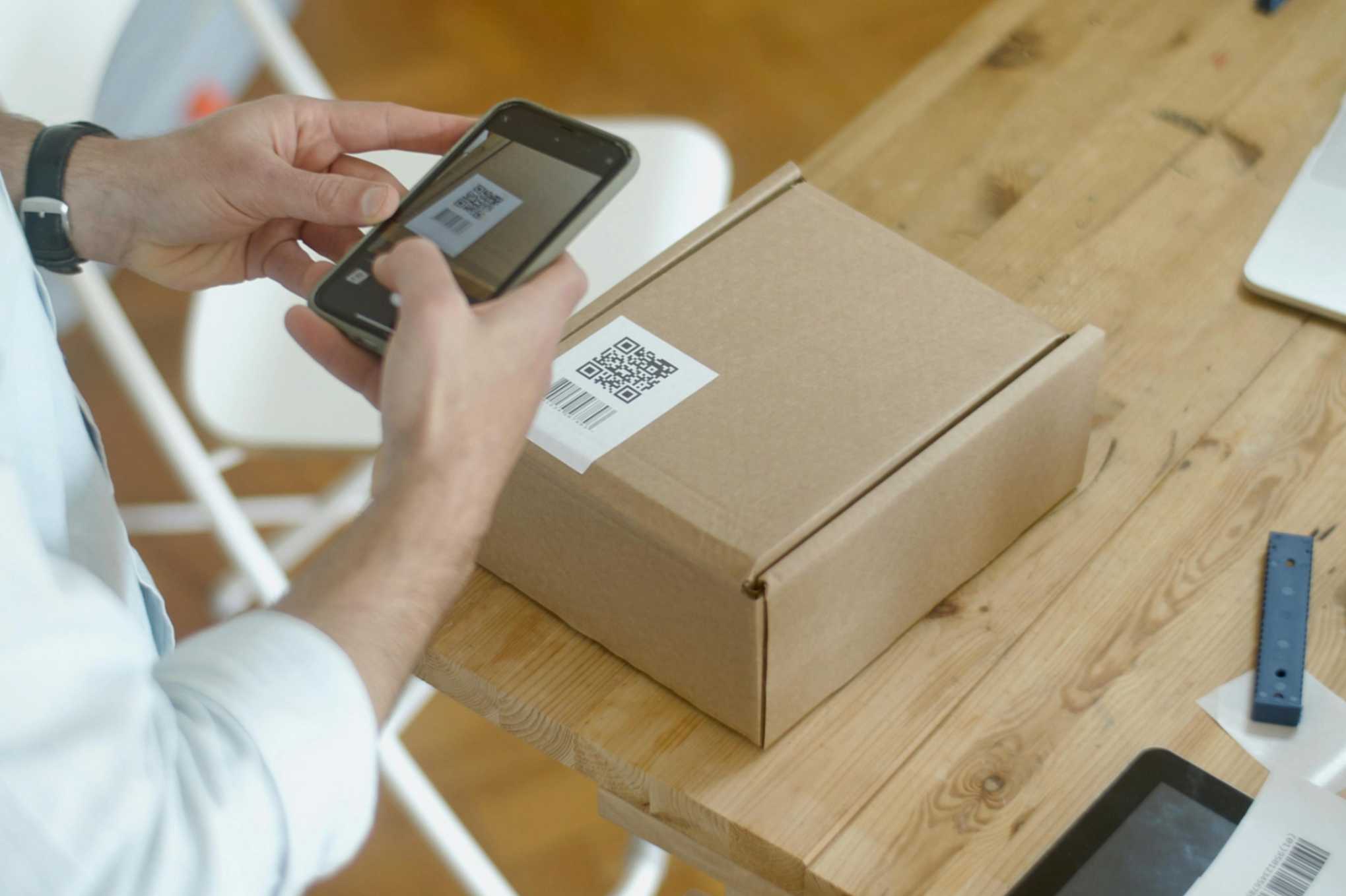
What Data Syncs Between Shopify and a 3PL
Not all integrations are equal. Some are limited to basic order import, while others provide full two-way data exchange. Here’s what a solid Shopify 3PL integration should handle:
Data flowing from Shopify to your 3PL:
- New orders (products, quantities, customer shipping address, delivery preferences)
- Product and SKU information
- Special order notes or instructions
- Bill of Materials (BOM) for bundled or kitted products
Data flowing from your 3PL back to Shopify:
- Tracking numbers for each shipment
- Tracking URLs so customers can follow their delivery
- Stock-on-hand (SOH) quantities – updated as orders ship and new stock is received
- Available stock quantities (factoring in reserved or allocated stock)
- Order status updates (fulfilled, partially fulfilled)
Some providers, like NPFulfilment, also offer optional SOH and available stock push-back so your Shopify listings always show accurate availability. That two-way sync is what separates a proper 3PL integration from a one-directional order feed.
If your 3PL only pulls orders but doesn’t push inventory or tracking data back, you’ll still be manually updating stock levels and copy-pasting tracking numbers. That defeats the purpose.
What to Look for in a Shopify Fulfilment Australia Provider
Choosing a Shopify 3PL in Australia isn’t just about warehouse space. The integration itself is a major factor, and it’s the thing most store owners underestimate during the selection process. Here’s what matters:
Direct Shopify Integration
Your provider should have a pre-built Shopify integration – ideally one that’s been running for years, not something cobbled together last month. A direct API connection means faster setup, fewer bugs, and real-time data flow. Avoid providers who ask you to export CSV files manually or use a third-party middleware tool to connect.
It’s also worth checking compatibility with your Shopify plan. Some integrations require Shopify Standard or Advanced plans, as the Basic plan doesn’t support third-party calculated shipping rates or certain fulfilment app features. Confirm this upfront.
Australian Warehouse Locations
Fulfilment speed depends largely on where the warehouse sits relative to your customers. For most Australian e-commerce brands, having stock in a Sydney or Melbourne warehouse means realistic same-day dispatch for a large chunk of the population.
Multi-Carrier Shipping Options
A good Shopify fulfilment provider in Australia won’t lock you into a single carrier. You want access to Australia Post, StarTrack, CouriersPlease, DHL, FedEx, Aramex, and other major carriers – with the ability to route orders based on cost, speed, destination, or parcel weight.
This matters because shipping costs vary significantly depending on the carrier, destination, and parcel size. Having multiple options means you can optimise for the cheapest rate on standard deliveries and switch to express for time-sensitive orders.
Transparent Pricing
3PL pricing in Australia typically includes storage fees (per pallet, shelf, or bin per week), pick-and-pack fees (per order and per item), and shipping costs (passed through at negotiated carrier rates). Some providers also charge for receiving inbound stock, returns handling, and account management.
Ask for a clear fee schedule before you commit. Hidden charges – particularly for minimum order volumes, integration setup, or monthly platform access – can erode your margins quickly.
Returns Management
Returns are a growing cost centre for Australian e-commerce. The share of retailers offering free returns dropped from 97% in 2018 to under 20% in 2024, but 65% of shoppers still say friction-free returns contribute to a positive shopping experience. Your Shopify 3PL should have a structured returns process that automatically feeds data back into your inventory and the Shopify admin.
Integration Setup: What You’ll Need
Getting your Shopify fulfilment running in Australia with a 3PL is less complex than most store owners expect. Here’s what you typically need to provide:
- Shopify store name and URL – the basic identifier for your store.
- API key and password – generated from your Shopify admin under Settings > Apps and sales channels. Your 3PL will walk you through this if it’s unfamiliar.
- Product catalogue and SKU mapping – your 3PL needs to match their warehouse inventory to your Shopify product listings. Consistent SKUs across both systems prevent errors.
- Shipping preferences – default carrier selection, service levels (standard vs express), and any special packaging requirements.
With a pre-built integration, the technical setup itself is minimal. Most providers offer a guided onboarding process in which their team handles configuration, tests the connection with a sample order, and confirms that everything is syncing before you go live.
For stores with more complex requirements, such as multi-location inventory, custom carrier rules, or connections to accounting software like Xero or QuickBooks, a provider with broader integration capabilities gives you room to grow without having to switch platforms later.
Costs of Shopify Fulfilment in Australia
Pricing for Shopify fulfilment Australia-wide varies between providers, but here’s a realistic breakdown of what you should expect:
- Storage fees: Charged per pallet position, shelf space, or bin per week. Rates depend on the warehouse location and the volume of space you need.
- Pick and pack fees: Usually a base fee per order (covering the pick, pack, and labelling) plus a small per-item fee for multi-item orders.
- Shipping costs: Passed through at the 3PL’s negotiated carrier rates, which are typically lower than what you’d get as an individual shipper.
- Receiving fees: Some providers charge for inbound stock receiving (checking, counting, and shelving your inventory). Others include this in storage fees.
- Integration and onboarding: Some charge a one-off setup fee, while others include onboarding at no extra cost.
The total cost per order depends heavily on your average order size, product dimensions, shipping destination, and volume. Most Australian 3PLs will provide a custom quote based on your specific order profile. It’s worth running the numbers against your current in-house fulfilment costs to see where the savings actually land.

Common Integration Issues (and How to Avoid Them)
Most Shopify 3PL integration problems come down to a few avoidable mistakes:
Inconsistent SKUs
If your Shopify product SKUs don’t match the SKUs in your 3PL’s warehouse management system, orders will fail to process. Audit your SKU mapping before going live and keep it consistent across all sales channels.
Not Testing Before Launch
Always place test orders through the full cycle, from Shopify checkout to warehouse pick-pack-ship to tracking push-back, before routing real customer orders through the integration. This catches data mapping errors, carrier selection issues, and notification problems before they affect real customers.
Ignoring Inventory Discrepancies
Even with real-time sync, periodic stock takes are essential. Physical inventory counts should match what Shopify shows. If they drift apart, investigate early rather than waiting until you’re overselling products you don’t have.
Choosing a Provider Without Local Support
Time zone alignment matters. If your 3PL’s support team is in a different hemisphere, getting urgent issues resolved during Australian business hours becomes painful. Choose a provider with Australian-based account management and support.
When Should You Outsource Shopify Fulfilment?
There’s no magic order volume that triggers the switch. But there are clear signals it’s time to explore Shopify fulfilment in Australia through a 3PL:
- You’re spending more hours packing than marketing, sourcing, or developing new products.
- Your spare room, garage, or small warehouse is running out of space.
- Order errors are creeping up because you’re rushing to keep pace.
- You can’t offer competitive shipping speeds because you’re limited to one carrier or one dispatch per day.
- You’re turning down wholesale or marketplace opportunities because you can’t handle the volume.
If two or more of those sound familiar, it’s worth getting a quote. Most Shopify 3PL providers will assess your order profile and give you a cost comparison against your current setup, so you can make the decision based on actual numbers, not guesswork.
Ready to Streamline Your Shopify Fulfilment?
If you’re spending more time packing orders than growing your business, outsourcing Shopify fulfilment in Australia is worth exploring. A well-integrated Shopify 3PL handles the warehousing, picking, packing, and shipping – while your Shopify dashboard stays up to date with real-time inventory and tracking data, automatically.
NP Fulfilment offers 40+ pre-built ecommerce integrations (including Shopify), Australian-based warehousing across Sydney, Melbourne, Brisbane and Perth, multi-carrier shipping, real-time inventory visibility through their KIOSK client portal, and HACCP-certified facilities – all backed by a carbon-neutral operation and local account management.